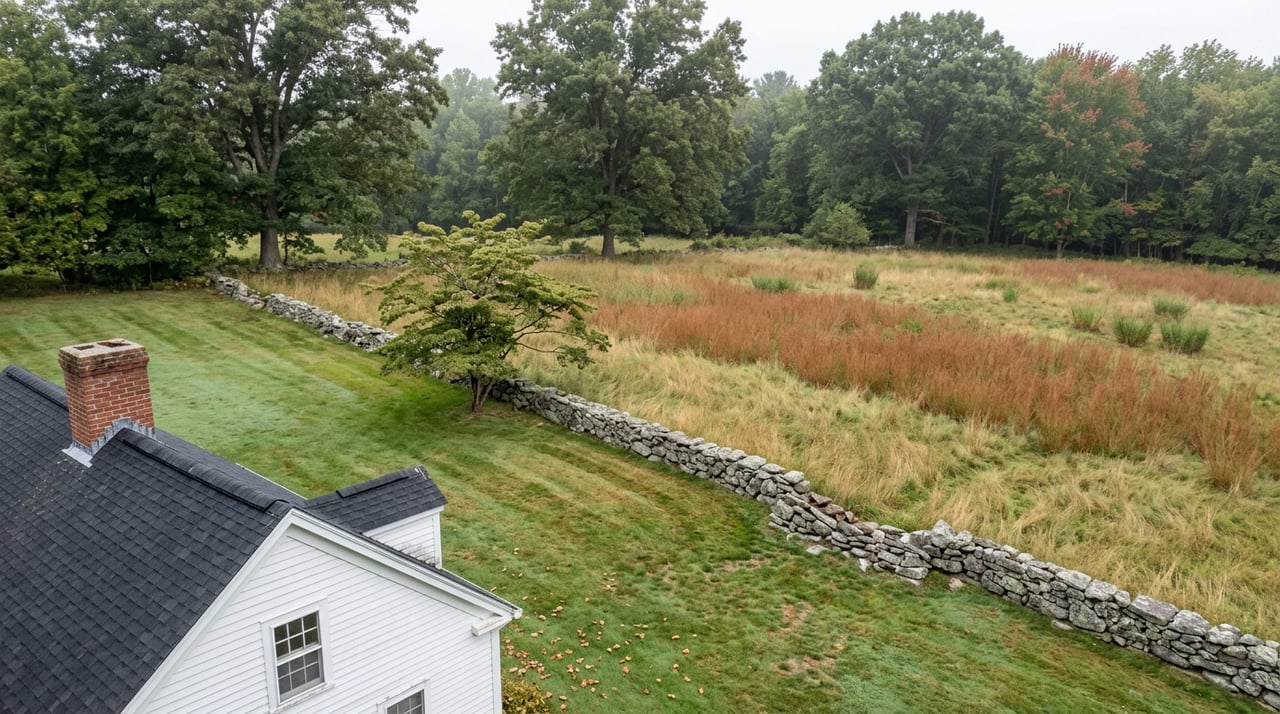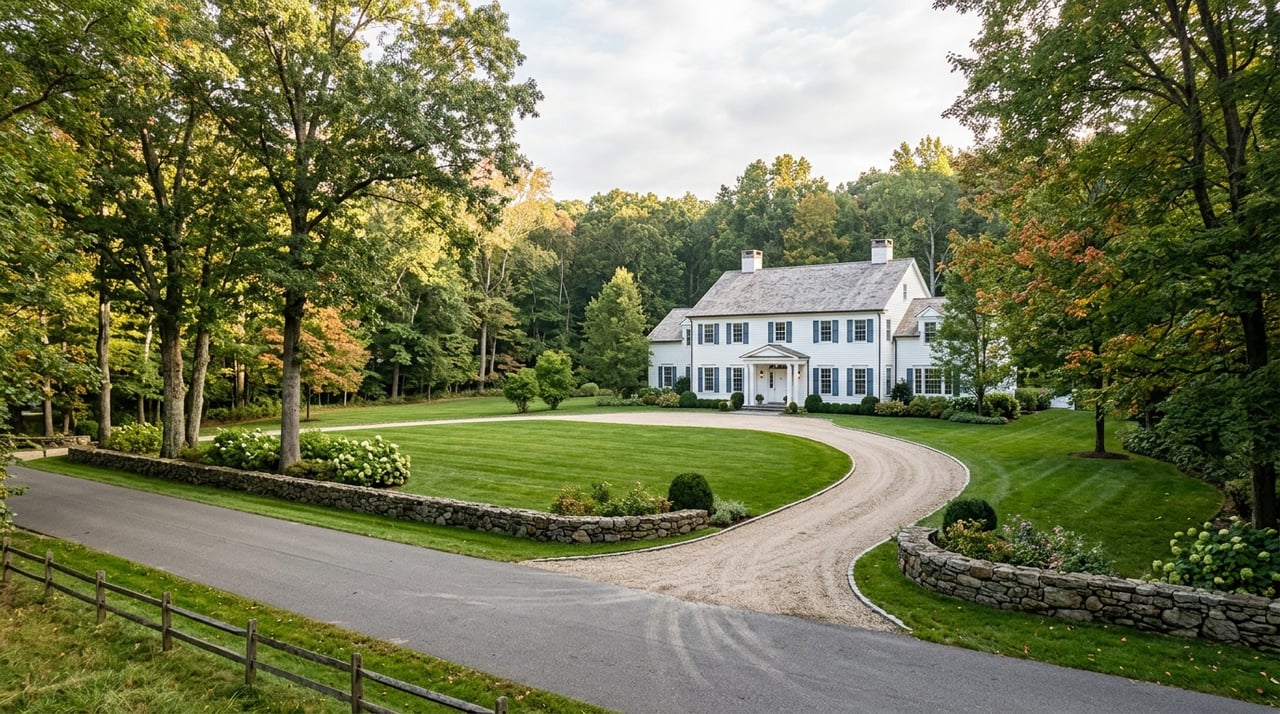
If you want more space, more trees, and a quieter pace without feeling cut off from the North Shore, West Newbury may be exactly what you have been looking for. For many buyers, the challenge is finding a town that feels peaceful and residential while still keeping Newburyport and Boston within reach. In West Newbury, you get a country-style setting, larger lots, and strong outdoor access, all wrapped into a small Essex County town. Let’s dive in.
Why West Newbury feels different
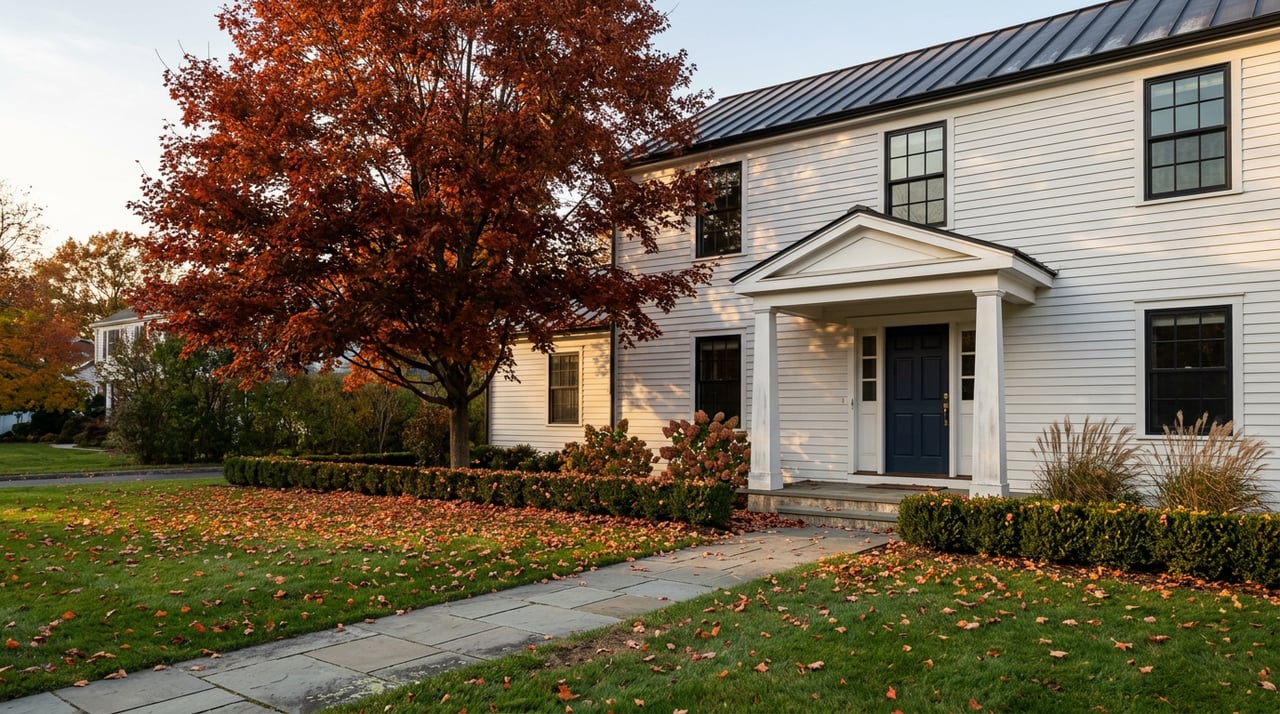
West Newbury is a small town of about 4,500 residents in Essex County, about 35 miles north of Boston. The town describes itself as a beautiful residential community along the Merrimack River, and that description fits. The setting feels open and green, with a more rural character than many nearby coastal communities.
Part of that feeling comes from the town’s geography. West Newbury covers roughly 14 square miles and is bordered by the Merrimack River, Newburyport, Newbury, and Groveland. That means you are close to major destinations and services, but your day-to-day environment can still feel calm and spacious.
The town’s history also helps explain its appeal today. Growth increased after I-95 made commuting to Boston more practical, but West Newbury still kept its residential identity. If you are drawn to a place that offers breathing room over density, this is one of the clearest examples on the North Shore.
What country living means here
Country living in West Newbury does not mean isolation. It means larger lots, lower-density neighborhoods, and a landscape shaped by trees, fields, trails, and older roads rather than tightly packed blocks and busy commercial strips. You are choosing a lifestyle where the home lot and the surrounding land play a big role in daily life.
In many towns, “country feel” is more of a marketing phrase. In West Newbury, it is built into the zoning. The town’s residential districts are intentionally low-density and designed to preserve rural and agricultural character.
Here is what that looks like in the current zoning bylaw:
| Residential district | Minimum lot area |
|---|---|
| Residence A | 160,000 square feet |
| Residence B | 80,000 square feet |
| Residence C | 40,000 square feet |
Even special-permit uses in residential districts start at 60,000 square feet. For you as a buyer, that can translate to more yard space, more separation between homes, and a more open neighborhood pattern than you might find in denser nearby markets.
Home types you are likely to see
West Newbury’s housing stock strongly reflects its low-density layout. According to the town’s 2024 housing production plan, more than 90% of housing units are detached single-family homes. It also notes that 99% of units are in one- or two-unit structures, with very few multifamily buildings.
That matters if you are searching for a classic single-family lifestyle. In West Newbury, that is the dominant housing pattern, not the exception. You are far more likely to be comparing detached homes on sizable lots than looking through a long list of condos or larger multifamily options.
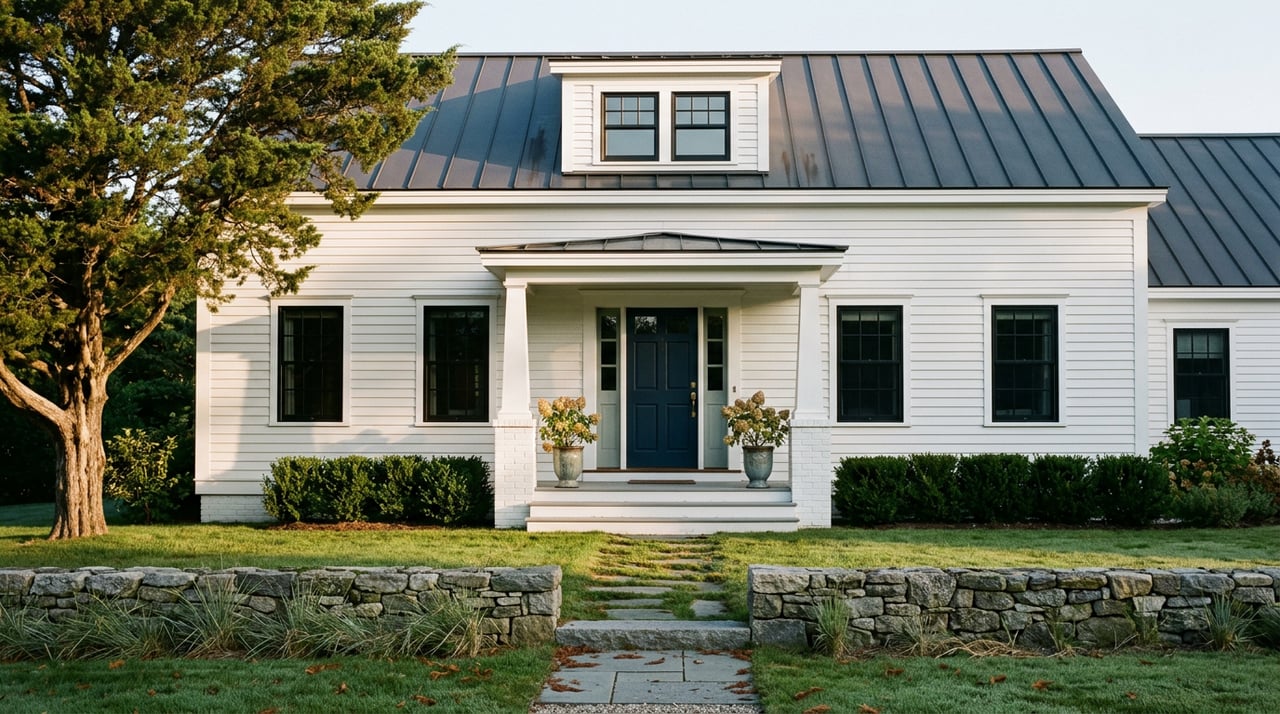
Architecturally, the town offers a mix that feels distinctly New England. Historic surveys document well-preserved Colonial-period farmhouses, Federal-period homes, and early industrial-era houses in Greek Revival and Italianate styles. There are also rarer Stick Style examples, especially along older roads like Main Street, Middle Street, and Indian Hill Street.
Alongside those older homes, buyers may also encounter newer custom homes that fit the town’s larger-lot setting. The result is a housing landscape with variety, but a consistent sense of space and residential calm. If you love homes with character, land, and a little visual breathing room, West Newbury delivers a lot to explore.
What daily life looks like
Daily life in West Newbury is usually more car-based and home-centered than in a denser downtown community. That is not a drawback for everyone. For many households, it is part of the appeal.
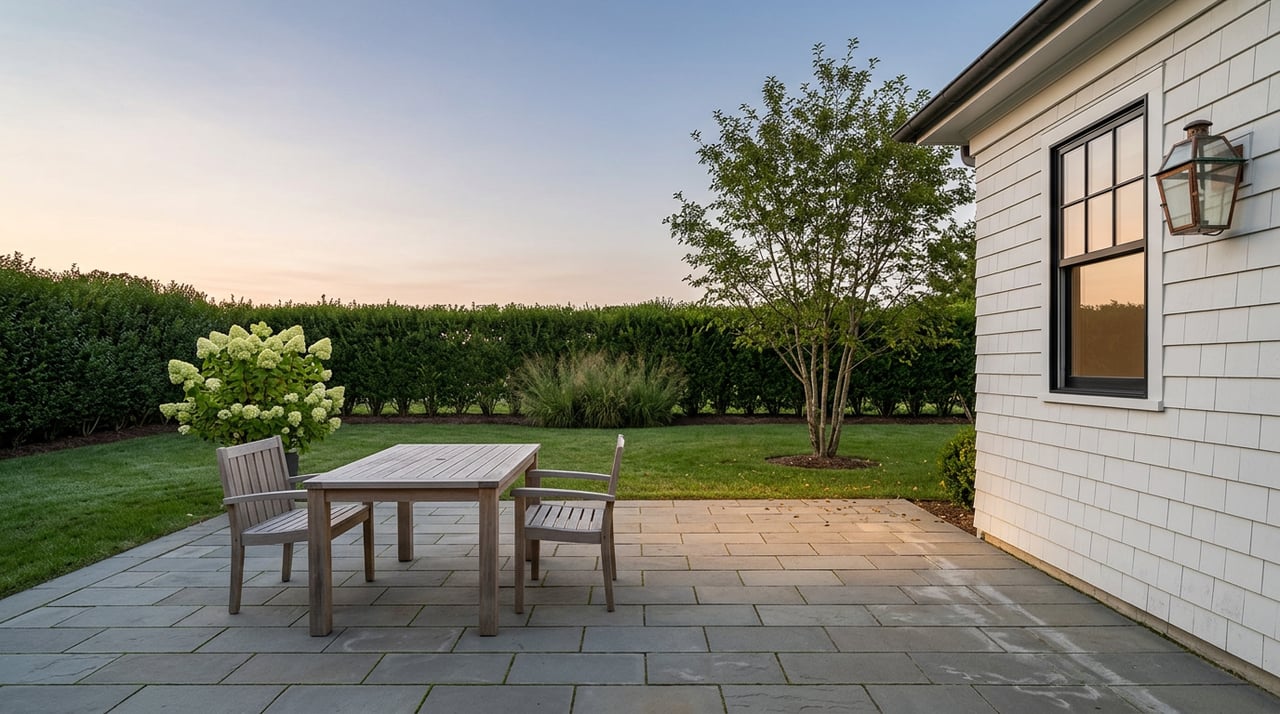
You may spend more time thinking about yard projects, outdoor time, and how you want to use your property. A bigger lot can mean space for gardening, entertaining, play, or simply enjoying privacy. It can also mean more upkeep, so it is smart to balance the dream of extra land with the practical side of maintaining it.
The town does have a center, but it is not built around a dense, highly walkable downtown retail lifestyle. The housing plan notes that the existing town center could support a livelier retail area over time, which suggests there is a central hub, but not one that defines everyday life the way a more built-up coastal downtown might.
For many buyers, that is exactly the point. West Newbury offers a different rhythm. Your routine may be shaped more by home, trails, river views, and regional errands than by corner cafes and blocks of storefronts.
Outdoor living is part of the lifestyle
In West Newbury, outdoor access is not just a nice extra. It is part of what makes the town feel the way it does. The Open Space Committee manages a large network of public trails and works toward creating what it describes as an emerald necklace of town-owned land and trail easements.
That commitment shows up in the range of places available for walking, exploring, and enjoying the landscape. Public trail and conservation areas include:
- Mill Pond & Pipestave Hill, a 270-acre trail network
- Riverbend & Page School, with Merrimack River shoreline access
- River Road Preservation Area
- Dunn Field, with more than 70 acres of farm and forest land
- Withers Conservation Area
- Atherton Trail
- Indian Hill Conservation Area
- South Street Woodlots
These spaces add real value to day-to-day living. You are not just buying a house. You are buying into a setting where trails, woods, stone walls, farmland, and river access can become part of your normal week.
The Merrimack River is another major anchor. It brings scenery, shoreline access, and recreational use into the local lifestyle. The town’s Harbormaster focuses on keeping the West Newbury portion of the river clean and safe, while local trail information highlights shoreline walks, fishing access, and river views.
Commuting and getting around
West Newbury works well for buyers who want a quieter home base while staying connected to the region. Transportation here is more regional than urban, which is important to understand before you move.
If you drive, I-95 plays a key role in connecting the town to greater Boston. The town’s history specifically notes that the highway helped make Boston commuting more feasible. For many residents, that roadway access is a major part of making country-style living practical.
Public transportation is more limited, but there are options. The town says Mini MeVa serves West Newbury and connects riders to Newburyport and the MBTA commuter rail there. NEET also provides transportation assistance for residents age 60 and over.
In real life, many households will still rely heavily on a car for daily errands and appointments. Newburyport often becomes the nearby destination for more concentrated shopping, services, and rail access. That setup can work very well if you want your home life to feel less busy, even if some errands take a little more planning.
What buyers should weigh carefully
West Newbury can be a great fit, but it is not the right fit for every buyer. The key is understanding what you value most in your next move.
You may love West Newbury if you want:
- Larger lots and more privacy
- Detached single-family homes
- Historic homes or custom homes with land
- Strong access to trails, woods, and river scenery
- A quieter, lower-density setting near Newburyport
- A residential lifestyle that still allows for regional commuting
You may need to think more carefully if you prefer:
- A highly walkable downtown routine
- Short errands without driving
- A wide range of condos or multifamily options
- Smaller lots with lower exterior maintenance
- Dense retail, dining, and services right outside your door
This is why local guidance matters. A town can look ideal on paper, but the day-to-day fit comes down to how you actually want to live. The right move is not just about square footage or price. It is about matching the property, the setting, and your routine.
A premium market with lasting appeal
West Newbury also sits in a higher price tier within the region. Recent market trackers reported a median sale price of $907,032 over the three months ending April 2026, and a typical home value of $948,571 as of April 30, 2026.
Those numbers reflect the town’s appeal. Space, low-density planning, detached housing, and proximity to desirable North Shore destinations all support demand. For buyers, that means it helps to enter the search with a clear plan and realistic expectations about budget and competition.
For sellers, that same lifestyle appeal can be a major strength when your home is positioned well. In a market like West Newbury, presentation, pricing, and a strong understanding of what buyers value can make a meaningful difference.
Whether you are buying your first home with more land, moving from a denser community, or preparing to sell a property that offers privacy and character, West Newbury rewards a thoughtful approach. If you want help understanding how this town fits into your bigger goals, The Good Life Real Estate Group can help you navigate the next step with local insight and a clear plan.
FAQs
What is country living like in West Newbury, MA?
- Country living in West Newbury usually means larger lots, detached single-family homes, more trees and open land, and a quieter residential setting near the Merrimack River.
How large are lots in West Newbury, MA?
- West Newbury zoning includes minimum lot sizes of 160,000 square feet in Residence A, 80,000 square feet in Residence B, and 40,000 square feet in Residence C.
What types of homes are common in West Newbury, MA?
- The town’s housing stock is mostly detached single-family homes, and buyers can find historic farmhouses, Colonial and Federal-era homes, Greek Revival and Italianate styles, plus some newer custom homes.
How do you commute from West Newbury, MA?
- Many residents drive, with I-95 supporting regional travel and Boston commuting, while Mini MeVa connects West Newbury to Newburyport and the MBTA commuter rail.
What outdoor amenities are available in West Newbury, MA?
- West Newbury offers a broad public trail network, conservation land, farm and forest areas, Merrimack River shoreline access, and places for walking, fishing, and enjoying scenic views.
Is West Newbury, MA more rural than nearby coastal towns?
- West Newbury generally feels more rural and lower-density than nearby coastal downtown communities because of its large-lot zoning, detached housing pattern, and open residential landscape.